


Innovations In HVAC Technology: Advanced Air Control For Commercial And Industrial Buildings
Modern commercial and industrial buildings now run on margins that leave no room for wasted energy or unstable airflow. Control precision, ventilation performance, and system response time all operate under tighter benchmarks than ever. Within that environment, HVAC technology has evolved from static mechanical equipment into responsive, data-driven infrastructure.
How HVAC Technology Is Changing In Commercial And Industrial Buildings
Changes in commercial HVAC performance now propagate across the entire system, not just at the level of compressors, coils, or refrigeration cycles. Early gains from variable-capacity compressors, higher-efficiency heat exchangers, and updated refrigeration cycles only stabilized once controls and air distribution systems began responding with matching precision.
- Modern commercial systems now function as coordinated networks rather than isolated machines.
- Sensors track temperature, humidity, pressure, and air quality in real time, while controllers regulate output dynamically across zones that behave differently based on occupancy, load, and exterior conditions.
In this context, HVAC technology functions as a unified mechanical and digital system rather than as a collection of standalone components.
Airflow Control Components In Modern HVAC Systems
The shift toward data-driven control tightened expectations for the airflow hardware executing those commands.
- Actuation speed, sealing integrity, and pressure stability now govern energy use as directly as compressor efficiency or fan horsepower.
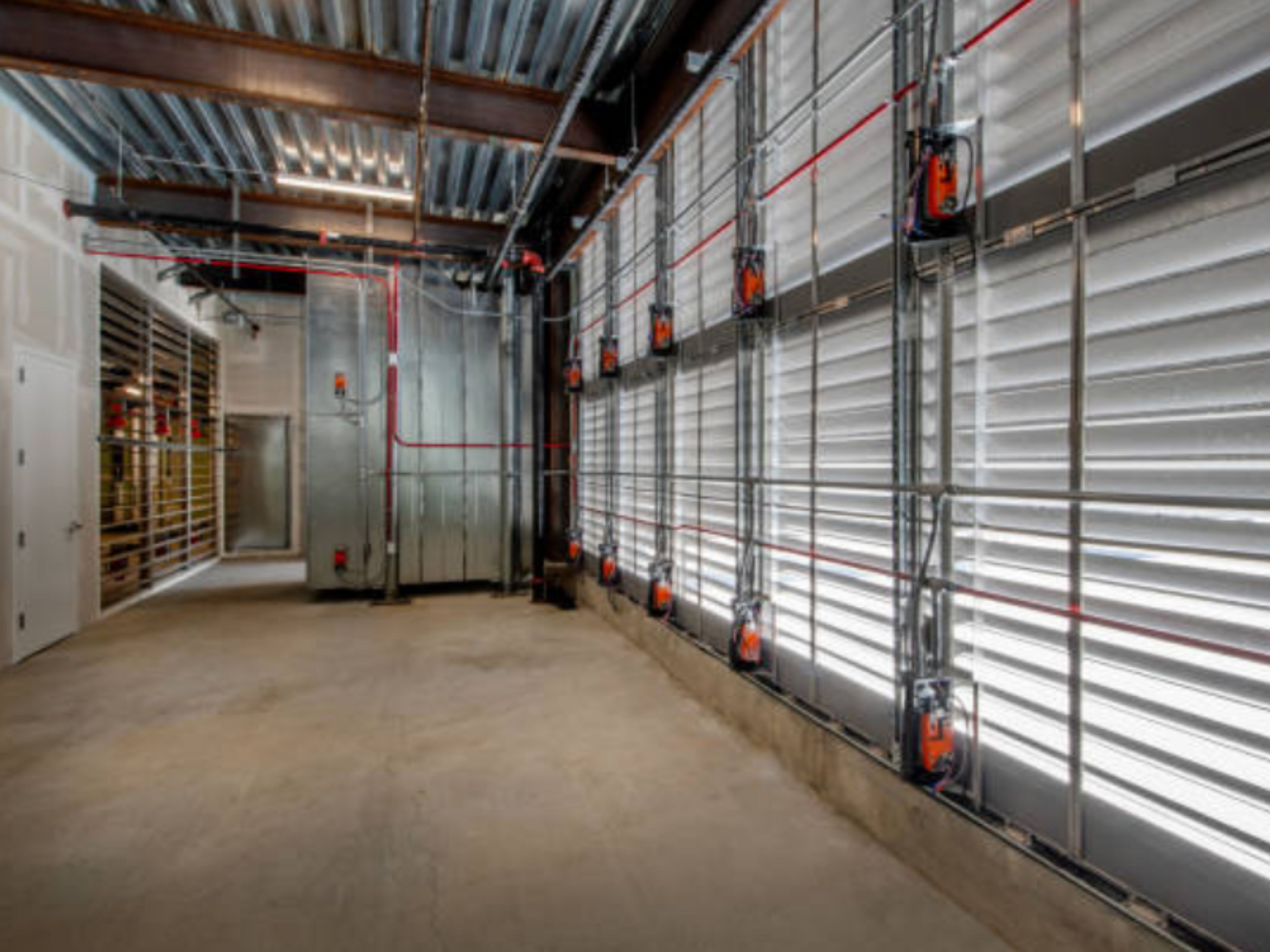
- Dampers and louvers no longer serve only as directional guides; they modulate volume, isolate zones, manage relief air, and stabilize pressure across large buildings.
Energy Efficiency and Ventilation Performance
Energy efficiency remains the most visible driver behind this evolution. As energy codes tighten and operating budgets face sustained pressure, every point of pressure drop and every instance of uncontrolled leakage registers directly in utility data.
Advanced air control assemblies stabilize pressure profiles and suppress parasitic fan losses. Properly engineered louver geometry constrains turbulence at intake and exhaust points, while tightly sealed damper blades block bypass during inactive periods or smoke and isolation sequencing.
Louvers As Envelope Control Devices
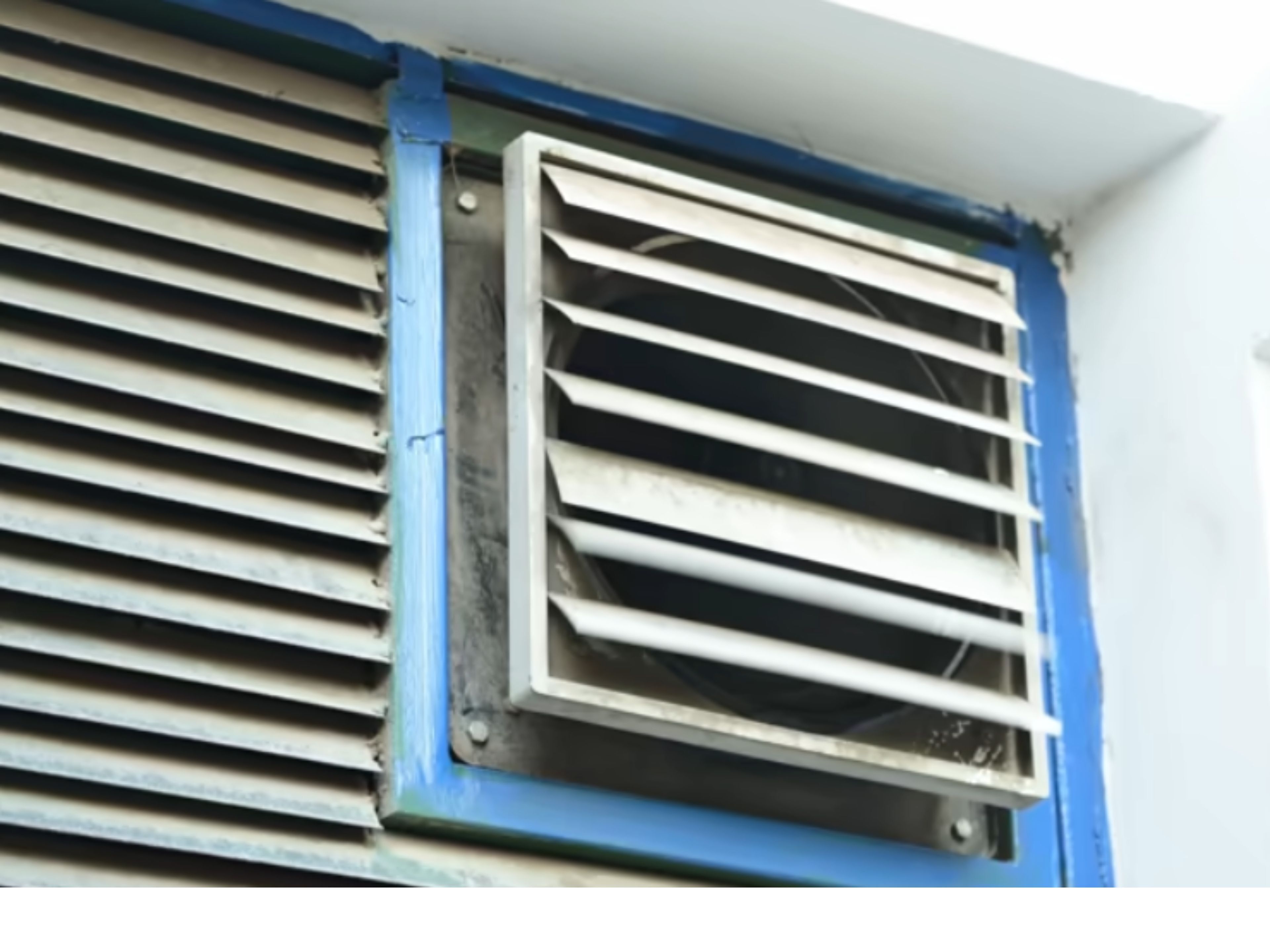
Louvers serve a parallel role at the building envelope. Beyond keeping out rain and debris, they establish how much resistance the system must overcome to move air in and out of the structure.
Poorly designed intake louvers introduce unpredictable pressure losses that distort airflow calculations upstream. Energy-efficient louver assemblies preserve free area while shielding against wind-driven rain and stabilizing intake conditions.
Advanced HVAC Systems And Operational Resilience
In mission-critical environments, HVAC performance now governs operational continuity as much as comfort. Data centers, healthcare facilities, laboratories, and manufacturing plants depend on continuous environmental control to protect operations, equipment, and occupants.
Zoning strategies isolate critical spaces from noncritical loads. Backup sequences engage in precise order, and air control assemblies must cycle repeatedly under load without degradation for these strategies to remain viable.
Future HVAC Technology And Adaptive Building Envelopes
Future-facing buildings increasingly interface with the electrical grid rather than merely consuming from it. Load shedding, demand response, and utility-driven optimization now shape airflow decisions alongside comfort targets.
As systems react to fluctuating energy prices and grid conditions, air control hardware must hold stable modulation under variable fan speeds and shifting pressure regimes.
From System Intelligence To Physical Execution
The future HVAC technology landscape will also emphasize adaptive building envelopes alongside adaptive mechanical systems. Motorized louvers, pressure-responsive façade components, and integrated relief strategies will increasingly operate as part of unified airflow management frameworks.
This is where system intelligence transitions into manufacturing execution, and where airside precision moves from theoretical control into physical performance.
United Enertech’s Role In Advanced Air Control
In large-scale HVAC applications, airflow control hardware carries the responsibility for translating digital commands into stable, repeatable physical air movement. Custom airflow requirements, unusual duty cycles, and edge-case operating conditions demand engineering input that generic components cannot reliably accommodate.
United Enertech operates within that precision-focused segment of the HVAC industry, where airflow control defines system performance rather than merely supporting it. Through application-specific design, the company develops damper and louver assemblies engineered to match pressure class, airflow modulation range, environmental exposure, and integration demands.
Customization And Integration As One Discipline
Large-scale facilities rarely operate under standardized airflow patterns. Intake and exhaust requirements vary with process loads, occupancy density, and building geometry.
United Enertech’s engineering process resolves those variables at the component level, tailoring blade design, actuator selection, and sealing strategy to match system intent while maintaining clean integration with building automation platforms.
Reliability Under Continuous Duty
Dampers and louvers in industrial and high-duty commercial environments cycle thousands of times over their service life. They operate under elevated temperatures, moisture exposure, particulate-laden air, and variable pressure conditions.
Mechanical integrity, corrosion resistance, and consistent actuation under these stresses determine whether a system continues to meet its design targets years after commissioning.
Partner With United Enertech For Advanced Air Control Solutions
United Enertech engineers and manufactures air control products for demanding commercial and industrial HVAC applications. Each damper and louver assembly is designed to support stable airflow, pressure control, and integration with modern building automation systems, subject to project requirements and site conditions. Contact us today for more information.