


Zone Dampers for HVAC Systems: Improving Comfort and Efficiency Across Zones
Every HVAC system depends on balanced airflow. When conditioned air moves unevenly, some spaces overheat while others stay cold. That imbalance wastes energy and shortens equipment life. Zone dampers for residential HVAC and large commercial systems solve this problem by controlling airflow to each duct branch so every zone maintains its own temperature.
What Zone Dampers Do in HVAC Systems
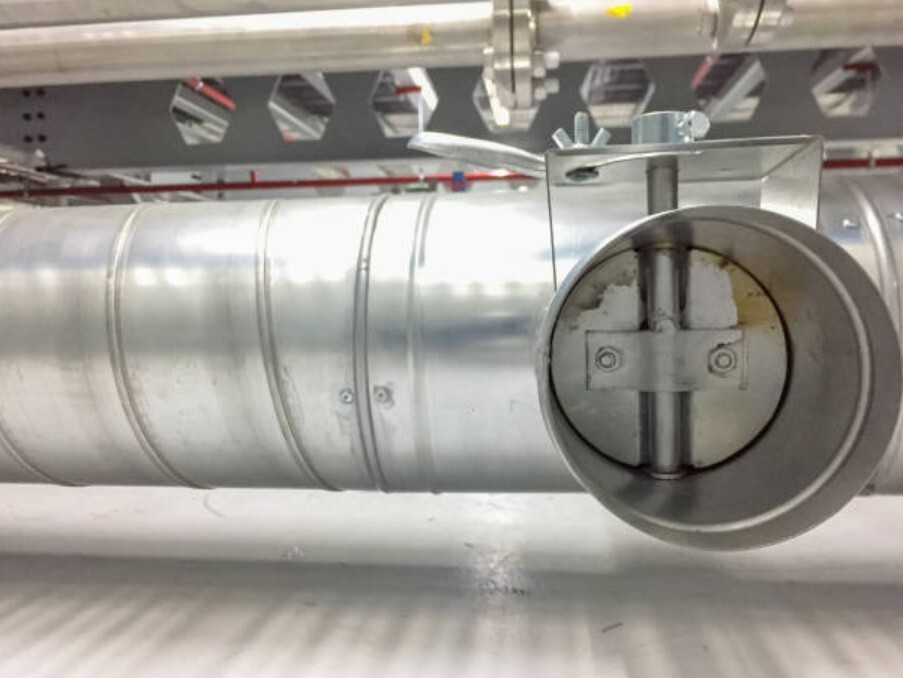
A zone damper acts like a mechanical gate inside the ductwork. It opens or closes to regulate the air volume directed toward a specific zone. In commercial buildings, multiple dampers link to thermostats and controllers that signal which spaces require heating or cooling.
The same concept applies to zone dampers for residential HVAC, which isolate upper and lower floors or room additions for consistent comfort. Each damper’s operation directly supports ASHRAE 90.1 and IECC energy-efficiency requirements by reducing waste and improving airflow balance.
Manual vs. Motorized Zone Dampers
Manual dampers use a hand-operated lever that technicians set during system balancing. Once adjusted, they remain fixed until the next service interval. Motorized dampers respond automatically to thermostat or building-automation signals.
Electric or pneumatic actuators rotate blades in real time to fine-tune airflow. Because modern systems monitor static pressure and stage equipment operation, motorized dampers have become the standard in most commercial applications. They’re also increasingly common in advanced home zoning.
Actuator Types and Control Integration
Actuator design determines performance.
- Spring-return models fail safely during a power outage, while modulating actuators stop anywhere between open and closed for proportional control.
- Digital systems use analog or BACnet inputs so dampers maintain stable temperature and pressure within each zone.
When integrated with a building-automation system (BAS), every damper responds to demand without over-pressurizing the duct network.
How HVAC Zoning Works
A complete zoning system connects thermostats, dampers, and the air-handling unit through a control panel. When a thermostat calls for conditioning, the controller energizes the matching damper and signals the air handler to deliver airflow. If several zones call simultaneously, the panel sequences operations to maintain static-pressure stability.
Some systems add a bypass damper or variable-speed blower to absorb excess pressure when most zones are closed. Proper commissioning ensures smooth airflow, prevents duct noise, and avoids blade leakage.
Retrofit Considerations for Existing Systems
Upgrading an existing duct network with zone dampers for residential HVAC or commercial systems requires careful sizing and pressure planning. Older duct runs may not have room for actuators, and additional wiring may be necessary to connect thermostats and controllers. Installers often use round or rectangular retrofit dampers that fit into existing trunks without major reconstruction. When configured correctly, zoning can cut conditioned-air runtime by 15 to 25 percent in commercial retrofits and up to 30 percent in multi-zone homes.
Assessing Existing Ductwork
Before adding new dampers, contractors evaluate duct layout, access points, and airflow capacity. Branches with limited clearance may require short-body dampers or side-mounted actuators. Verifying static pressure and fan performance ensures the system can handle the additional resistance of multiple dampers.
Maintaining Pressure Balance
Proper bypass or relief dampers maintain airflow balance when only one or two zones call for air. Technicians verify these adjustments during startup to prevent whistling ducts or excess blower load. Systems using variable-speed fans often require less bypass because fan speed modulation automatically corrects pressure changes.
Control and Wiring Upgrades
Most retrofit projects include new wiring runs for zone thermostats and the control panel. Low-voltage cables connect actuators to the panel, while communication wiring links the panel to the air handler. Labeling these connections during installation simplifies future maintenance and system expansion.
Cost and ROI Overview
Typical zone dampers for residential HVAC range from $50 for manual blades to $200 for motorized models, depending on material and actuator type. When paired with efficient controls, most systems recover installation cost within two heating or cooling seasons through reduced runtime and balanced airflow.
Energy and Comfort Benefits
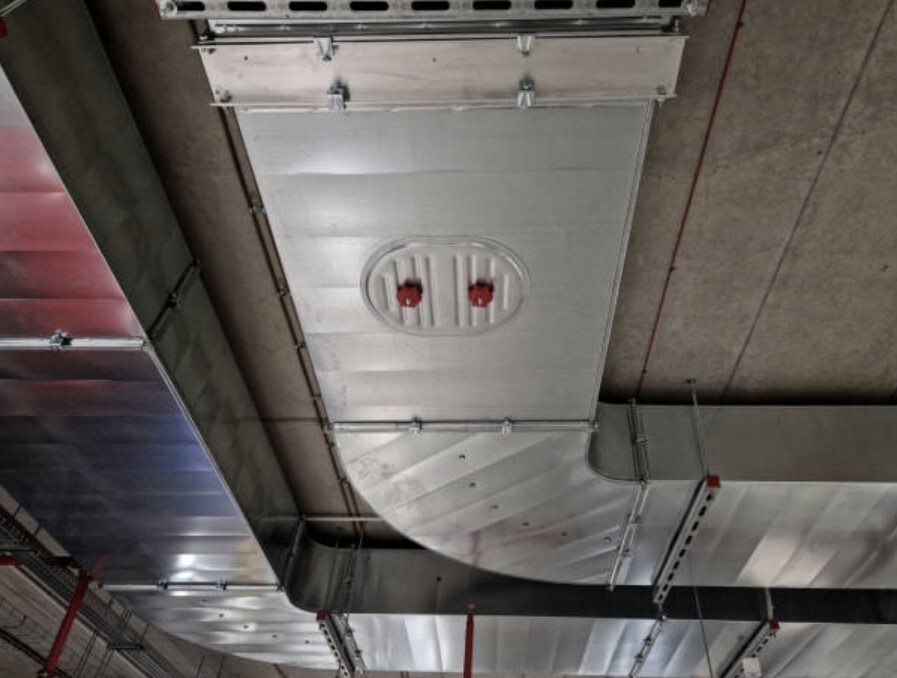
Effective HVAC zoning delivers measurable results in two critical areas, energy performance and occupant comfort. Both depend on how precisely dampers control airflow across multiple zones, ensuring every space receives only the conditioned air it needs.
Energy Efficiency Gains
Energy savings come from precision, not restriction, and that distinction matters. By sending air only where it’s needed, zoning reduces run time and extends equipment life. In well-balanced systems, zoning can reduce total blower runtime by 15–25 percent in commercial applications and up to 30 percent in multi-zone homes. These reductions directly lower electrical consumption and maintenance costs for fans and compressors.
Occupant Comfort Improvements
Efficiency isn’t the only measurable gain. Temperature swings between sunny and shaded rooms or upper and lower floors shrink dramatically. Occupants stay comfortable without constant thermostat changes. Well-specified zone dampers for residential HVAC systems restore comfort across floors while lowering fan energy use. In commercial buildings, zoning maintains balanced supply air through variable-air-volume (VAV) sequences that keep occupants comfortable and utilities predictable.
Integration with BAS and Smart Controls
Modern zone dampers for residential HVAC and commercial systems now link seamlessly to smart controls. Connected thermostats, occupancy sensors, and BAS dashboards monitor demand in real time. Through BACnet or Modbus communication, the controller modulates damper positions to match load conditions and maintain even static pressure.
For homeowners, Wi-Fi-enabled zone panels bring the same intelligence to smaller systems, adjusting airflow automatically when rooms are vacant or when schedules change. These features provide measurable savings without sacrificing comfort, creating a bridge between professional control logic and consumer accessibility.
Specifying Zone Dampers for Performance
Designers evaluate several variables when selecting dampers: blade geometry, leakage class, pressure rating, and material compatibility. Opposed-blade designs distribute pressure evenly, while parallel-blade dampers move larger air volumes with minimal drop. Leakage is rated under AMCA 500-D standards; Class 1A performance minimizes wasted air and maintains sealed zones.
Material and Environmental Considerations
Galvanized steel handles standard environments, aluminum reduces weight for suspended runs, and stainless steel resists corrosion where humidity or exhaust exposure occurs. In healthcare or clean-room settings, seals and bearings are chosen to prevent microbial growth and withstand sanitizing agents.
Installation and Commissioning
Proper installation and calibration ensure long-term damper reliability and code compliance:
- Maintain accessibility for inspection and service throughout the life of the system.
- Allow actuator clearance from insulation, framing, and other obstructions.
- Verify electrical compliance—all wiring must meet applicable codes and manufacturer guidelines.
- Balance airflow and set travel limits during commissioning to confirm correct thermostat response.
- Document calibration for repeatable performance if components are replaced or adjusted later.
- Expect long service life: quality dampers typically exceed 100,000 operating cycles with minimal wear when installed and lubricated according to specifications.
Noise and Comfort Calibration
Quiet performance depends on proper sizing and actuator speed. Technicians adjust travel limits and verify static pressure during commissioning so zone dampers for residential HVAC open smoothly without audible turbulence. This calibration keeps airflow consistent and nearly silent across all zones.
Optimize Airflow Control with United Enertech Zone Dampers
United Enertech designs and manufactures dampers engineered for accuracy, safety, and code compliance. Each unit integrates easily with modern control systems to maintain consistent pressure and temperature across multiple zones. Our components deliver tested reliability and long service life. Contact us today for more information.