


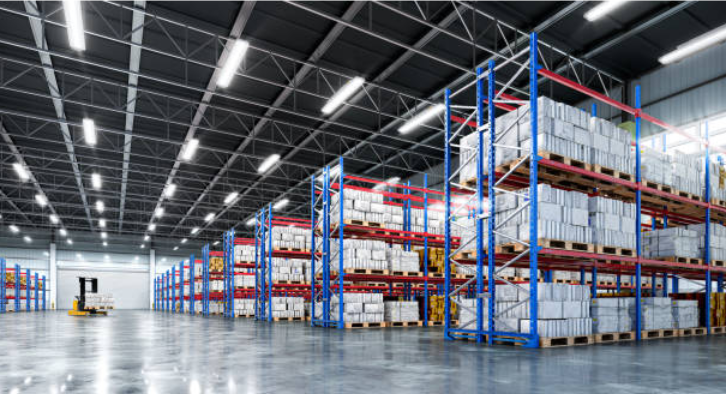
How To Cool A Warehouse Without AC
Warehouses overheat for structural reasons. In large, high-bay warehouses, air conditioning efficiency declines as air volume increases and heat stratifies above occupied zones. When operators search for how to cool a warehouse without AC, they are usually responding to high energy costs, uneven temperatures, or systems that cannot keep up with the size of the space.
Why Warehouses Overheat In The First Place
Most warehouses act like heat reservoirs once operations begin. Warm air generated by lighting, machinery, material handling equipment, and occupants rises naturally and collects near the roof. In high-bay spaces with limited air mixing, temperature differences between ceiling and floor levels can become pronounced as heat accumulates overhead.
Traditional air conditioning systems are poorly suited to correct this condition. They attempt to cool the entire air volume at once, even though much of that volume sits well above occupied zones. Because much of the conditioned air remains above occupied areas, energy use increases without proportionate temperature reduction at floor level.
What “Cooling” Means In Large Industrial Spaces
Once heat accumulates overhead through stratification, removing that heat becomes more effective than attempting to cool the full air volume. Effective warehouse cooling depends on giving hot air a clear path to exit the building rather than allowing it to remain trapped.
Ventilation removes excess heat from the building and replaces it with outside air, creating continuous air exchange instead of static cooling. This approach aligns with how warehouses actually operate, with frequent door openings, variable loads, and fluctuating internal heat generation throughout the day.
Passive Ventilation Strategies For Warehouse Cooling
Passive ventilation is often the first strategy considered when exploring how to cool a warehouse without AC. These systems rely on natural forces rather than motors or compressors, using buoyancy and pressure differences to move air.
Gravity Ventilators And Stack Effect
Warm air rises and exits through high-level openings while cooler air enters at lower elevations. Gravity ventilators installed at the roof take advantage of this effect by providing a controlled exhaust path for accumulated heat.
When adequate temperature differentials and building height support buoyancy-driven airflow, gravity ventilation can reduce heat buildup with minimal energy input. Performance depends heavily on building geometry and available intake openings.
Where Passive Ventilation Reaches Its Limits
Passive systems do not perform consistently under all conditions. On days when outdoor and indoor temperatures are similar, buoyancy forces weaken. Facilities with high internal heat loads may generate more heat than passive exhaust can remove.
Building layout also matters. Long, low-rise warehouses or structures with restricted intake paths may not produce enough airflow to keep temperatures in check. In these cases, hot air can remain concentrated under the roof even when gravity ventilators are present.
Mechanical Ventilation For Reliable Heat Removal
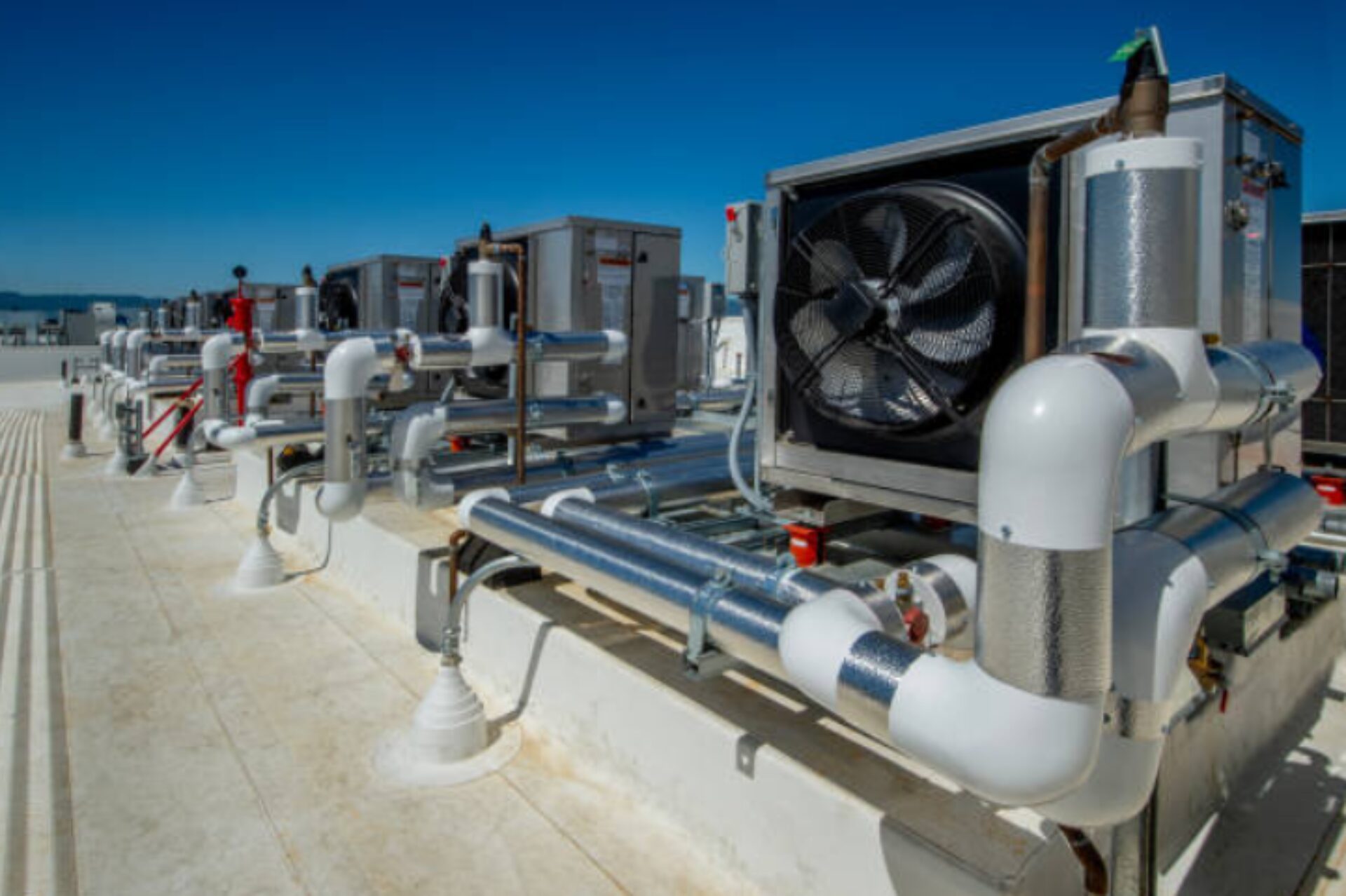
Mechanical ventilation expands the range of conditions under which heat can be removed reliably. Powered roof ventilators actively extract hot air independent of buoyancy forces, reducing stratification and limiting overhead heat buildup when intake air is properly managed.
In larger warehouses or facilities with sustained internal heat loads, mechanical exhaust provides predictable performance where passive systems may fall short. Dense equipment layouts and continuous operations often require this level of control.
Why Make Up Air Matters
As exhaust rates increase, replacement air becomes a defining factor in system performance. Exhaust alone, whether passive or mechanical, does not solve the problem unless intake air is addressed.
Make-up air systems supply controlled volumes of outside air to balance exhaust. This prevents negative pressure, reduces uncontrolled infiltration, and ensures airflow moves through the warehouse intentionally instead of through random openings or leaks.
Designing Effective Airflow Paths
Designing airflow paths is a core part of how to cool a warehouse without AC, because intake and exhaust placement determine whether heat is captured where it forms and removed efficiently.
Positioning Intake Air Where It Does the Most Work
Cooling without air conditioning depends on moving air through the space in a way that captures heat where it forms and carries it out efficiently. Intake openings should deliver cooler air to occupied zones or process areas rather than introducing air randomly at the perimeter.
Exhaust Placement And Airflow Alignment
Exhaust points should remove the hottest air near the roofline, where heat accumulates through stratification. When intake and exhaust are aligned correctly, air moves across the space instead of short-circuiting directly between openings, allowing ventilation systems to work as a coordinated whole rather than as isolated components.
The Role Of Fans In Ventilation-Based Cooling
Fans support ventilation by improving air distribution. While they do not remove heat on their own, fans reduce temperature gradients and break up stratified layers.
By mixing air vertically, fans help hot air reach exhaust points and distribute cooler intake air across work areas. In this role, fans enhance ventilation performance rather than replacing it.
How To Choose The Right Approach For Your Facility
Selecting the right strategy depends on how the building behaves under real operating conditions, especially for facilities evaluating how to cool a warehouse without AC at scale. Before choosing between passive ventilation, mechanical exhaust, or a combined system, facilities should evaluate the following factors:
- Building size and ceiling height, which determine how much air must be moved and how deeply heat stratifies under the roof
- Internal heat load, including equipment density, lighting intensity, and process-related heat generation
- Operating patterns, such as continuous production, intermittent use, or high traffic from loading doors
- Climate and daily temperature swings, which determine whether ventilation can effectively flush accumulated heat during lower outdoor temperature periods
- Airflow disruption points, including door openings and layout constraints that affect pressure balance and air movement
Understanding how these variables interact helps determine whether passive ventilation can manage heat loads under typical conditions or whether mechanical exhaust and make-up air systems are required for consistent temperature control.
Coordinating Ventilation Systems For Best Results
When operators evaluate how to cool a warehouse without AC, they often find that no single component solves the problem alone. Reliable results come from coordinated systems that manage exhaust, intake, and internal airflow together.
Gravity ventilators may address baseline heat removal, powered roof ventilators may handle peak loads, and make-up air systems stabilize pressure and airflow. Each element supports the others, creating a balanced approach that adapts to changing conditions.
Apply United Enertech Ventilation Solutions For Industrial Heat Control
United Enertech delivers ventilation solutions that support reliable heat removal and airflow control in warehouse and industrial facilities. Each system is designed to integrate exhaust, intake, and internal air movement for predictable performance under real operating conditions. Contact us today for more information.