


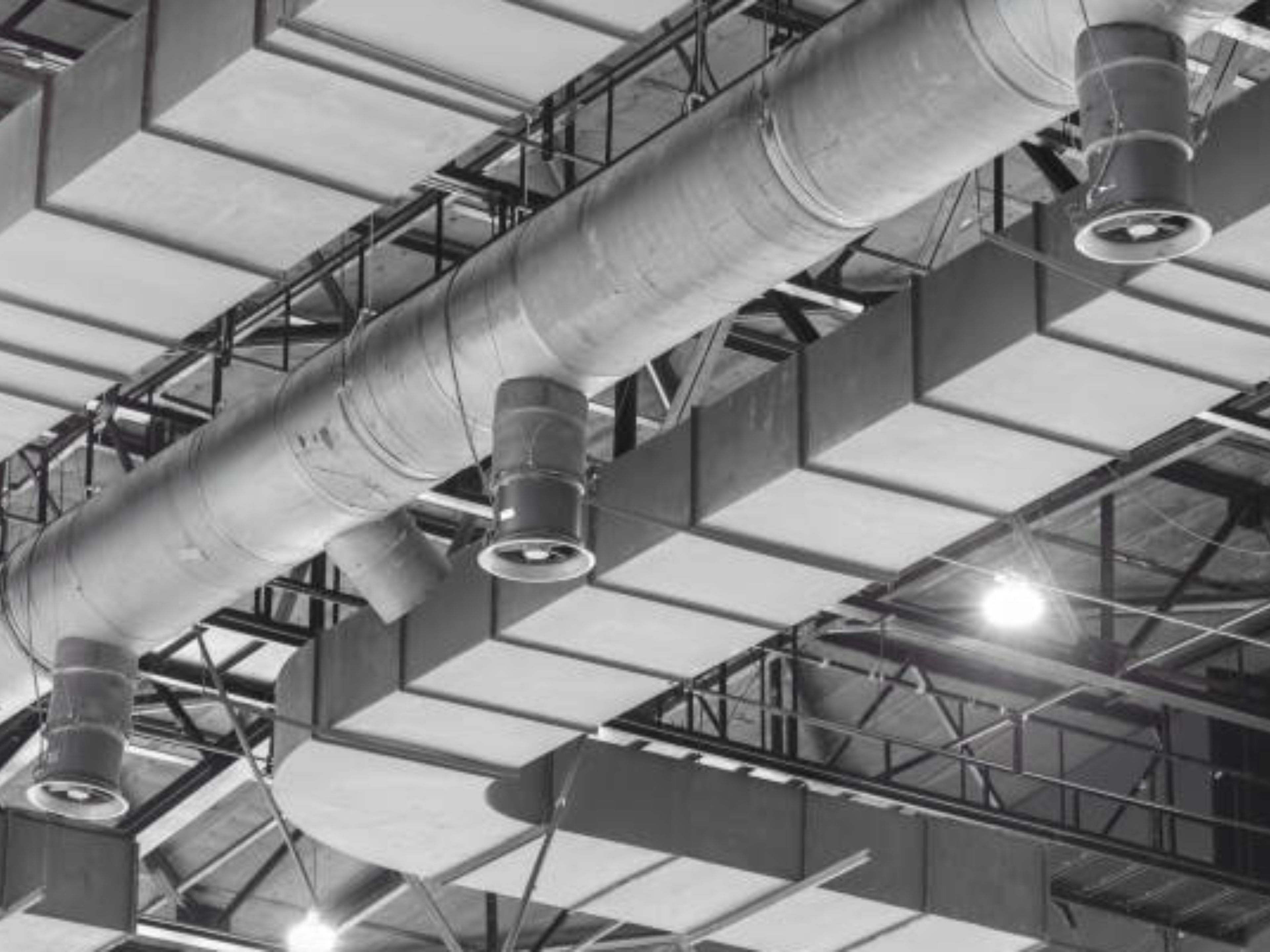
Designing Efficient Warehouse Ventilation for Safer, Smarter Facilities
Air movement issues in storage buildings often go unnoticed—until they disrupt safety protocols, damage inventory, or drive up utility costs. Facilities managers and engineers need ventilation systems that are calculated, code-aligned, and capable of adapting to unique building conditions. A well-designed warehouse ventilation strategy supports healthy airflow, thermal comfort, and long-term operational stability.
Matching Airflow Design to Facility Needs and Load Conditions
Establishing airflow priorities in a warehouse means looking beyond volume and load—it means studying how heat, humidity, and contaminants behave under specific working conditions.
Metal roofing intensifies solar heat gain during peak hours, particularly in storage zones without shading or insulation.
Some facilities require targeted ventilation to remove fumes from machinery zones, while others benefit more from broad dilution across wide storage corridors.
This level of assessment determines how airflow is zoned, sequenced, and controlled throughout the space.
Mechanical ventilation is often the most reliable method for managing these conditions consistently. Wall louvers, roof exhausts, and powered intake systems help direct fresh air in and force warm air out. Layout matters as much as fan capacity. If inlet and outlet placement doesn’t account for internal airflow paths, dead zones and air short-circuiting can disrupt circulation.
Using Airflow Calculations to Guide Ventilation Performance
To set appropriate airflow levels, engineers begin with standard metrics like air changes per hour (ACH) or cubic feet per minute (CFM) per square foot. These values are calculated based on occupancy, climate, floorplan, and the building’s cubic volume. That exchange rate isn’t just a metric—it defines whether the air supports productivity or creates liabilities.
Fan Sizing and Placement Decisions
Precise ventilation modeling includes calculating not only airflow volume but also airflow direction and interaction. Design tools simulate thermal layering. They also reveal stagnation zones and airflow recirculation loops that undermine performance. By integrating pressure differential mapping and dynamic sensor feedback, engineers can tailor how and when airflow enters and exits a warehouse. This approach reduces reliance on trial-and-error placement and moves design decisions closer to real-world effectiveness.
Selecting the Right Systems for Each Ventilation Zone
Different areas of a warehouse may demand unique strategies. Loading docks, mezzanines, packing lines, and bulk storage sections all respond differently to heat and airflow. Some layouts benefit from cross-ventilation that sweeps air across the floorplate. Others require upward airflow using vertical discharge systems to draw warm air through rooftop fans.
Long-term operation demands blades and housings that hold up—not just in performance, but in structural integrity under continuous strain.
Exhaust systems placed too low or designed without proper dampers can allow moisture and heat to reenter the facility.
Sizing, housing material, and motor efficiency all matter—especially for warehouse roof ventilation systems exposed to direct sunlight and precipitation.
Regulatory frameworks from OSHA and the International Mechanical Code influence both airflow targets and equipment specifications.
Meeting Compliance Codes Without Overdesigning the System
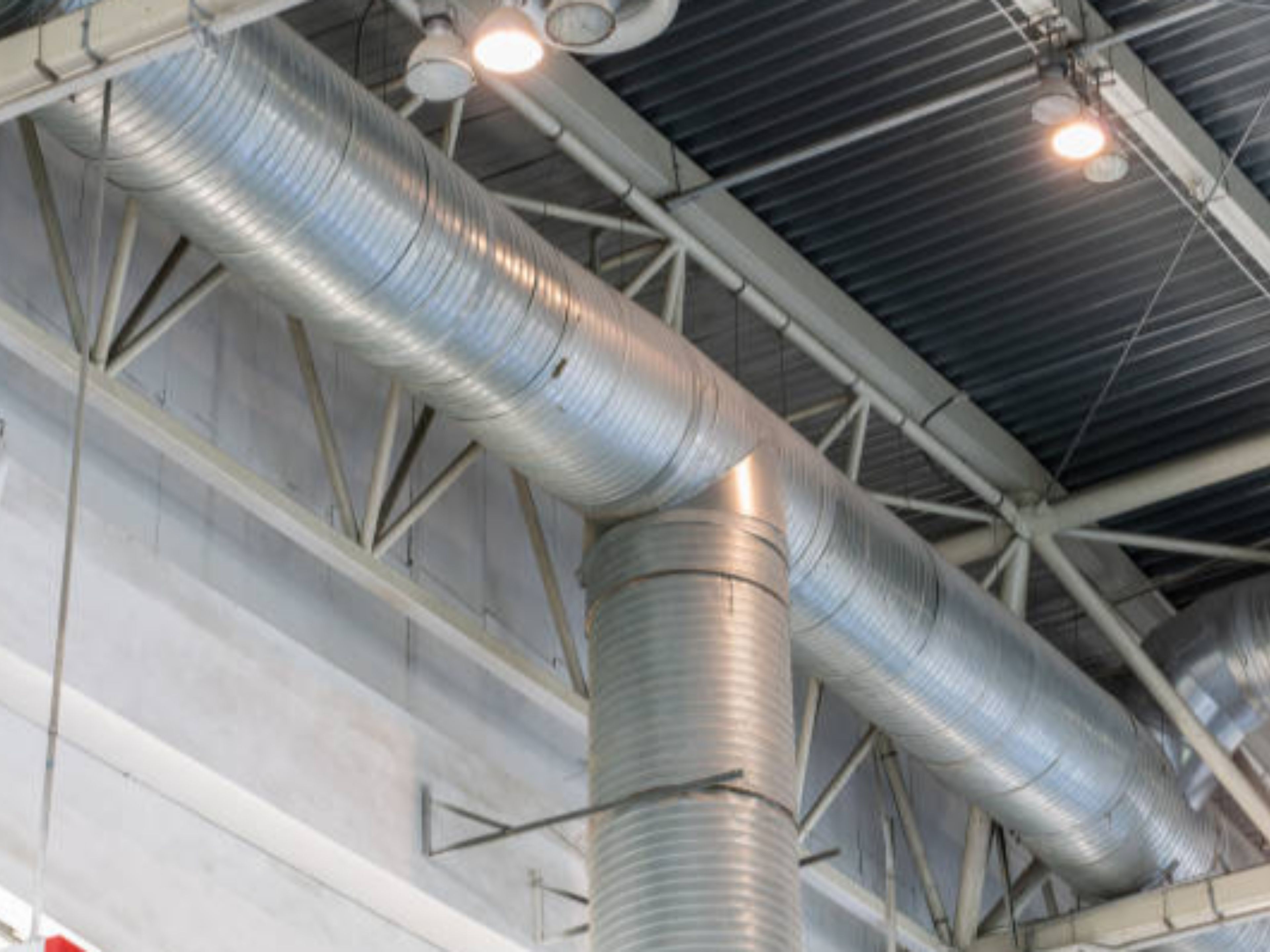
These guidelines define acceptable concentrations for particulate matter, off-gassing from packaging, and other airborne risks. Depending on exposure levels, a facility may need general dilution systems or targeted capture systems near emission sources. Aligning product selection with these benchmarks helps ensure compliance while simplifying inspection and certification processes.
United Enertech’s Role in Advanced Ventilation Solutions
United Enertech supports this level of detail with ventilation systems designed for structural strength, controllable airflow, and installation flexibility, Their solutions integrate into both new construction and retrofit projects without compromising performance. They’re built for engineers who need reliability—not wishful performance curves.
Managing Roof Heat and Upper-Level Air Pressure
Heat naturally rises, making the ceiling zone a critical point for warehouse ventilation efficiency. If hot air becomes trapped near the roofline, temperatures on the floor follow suit. Exhaust systems must be placed at elevation points that support this natural movement, giving the air a clear exit path. Without this upward relief, fans placed at floor level simply recirculate warm air.
Roof-mounted fans offer another advantage—protection from wind drift and cross-directional interference. With fewer obstacles to interrupt flow, these systems maintain stable extraction even in mixed climate zones. When paired with intake louvers or low-level vents, this setup produces a steady cycle that supports air balance from top to bottom.
Air Quality and Worker Comfort Go Hand-in-Hand
Without steady airflow, staff face stagnant heat in summer and damp surfaces in winter. Mold risk rises—and so does turnover. Clean, breathable air improves focus, reduces fatigue, and helps retain skilled labor in logistics-heavy operations. It also protects sensitive materials like packaging supplies, electronics, or perishable goods that may otherwise degrade in humid environments.
An optimized warehouse ventilation system eliminates these risks by keeping temperature and moisture levels within acceptable ranges. Zoned controls and scheduled exhaust cycles give teams greater command over changing conditions. That responsiveness builds resilience into the entire facility—not just the air handling system.
Smart Planning Ties Design to Field Results
Designing warehouse ventilation isn’t a checklist—it’s a technical strategy that links airflow goals to building constraints. The layout of fans, the timing of air exchange, and the location of vents all influence whether the system delivers measurable impact. Overdesign leads to wasted energy and unnecessary costs. Undersizing leads to discomfort, downtime, and compliance risks.
Calculation tools and sensor mapping are essential, but they don’t replace experience. United Enertech’s product catalog and engineering insight help fill that gap—giving architects and contractors proven options that turn performance specs into jobsite realities.
Meet Warehouse Ventilation Design and Code Requirements with United Enertech
Warehouses need ventilation solutions that adapt to climate, layout, and code without slowing operations or overloading mechanical systems. We offer high-performing products backed by technical expertise and reliable design standards. Contact us today for more information.