


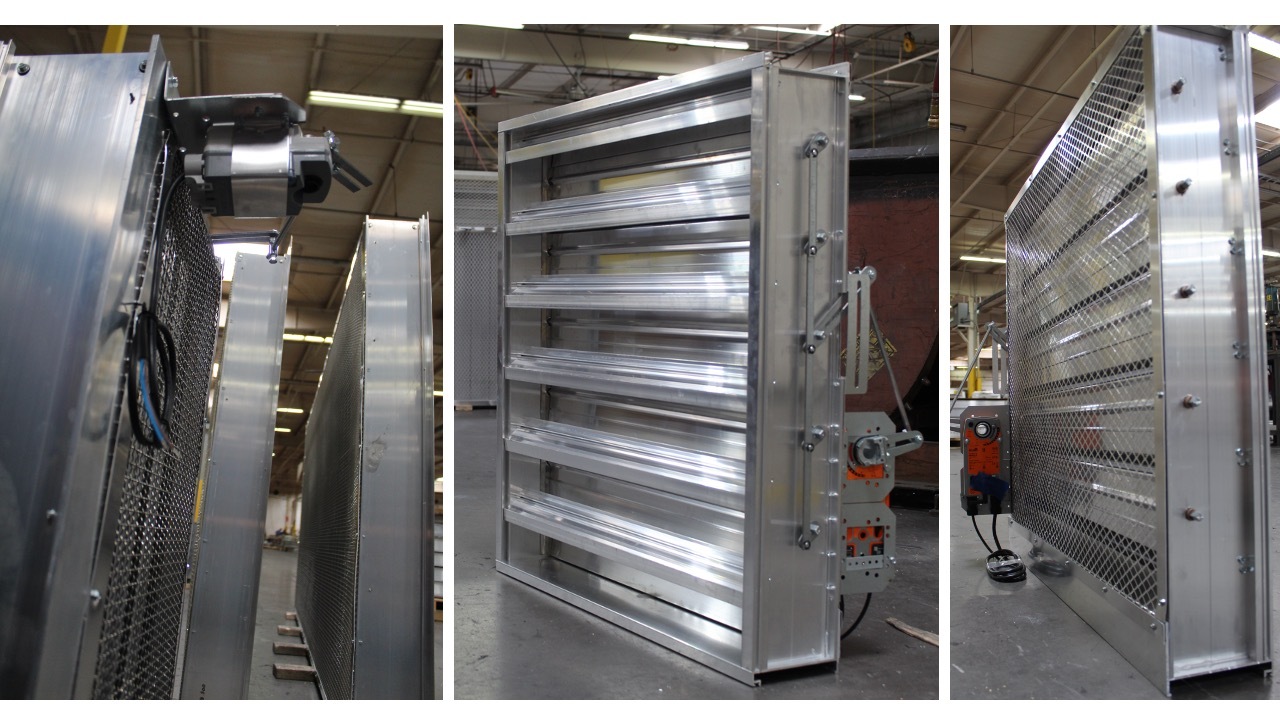
What functions do combination louver/dampers serve?
What are combination louver/dampers?
Combination louver/dampers are equipped with both fixed and movable blades, the latter of which may be closed if needed, and are typically installed in exterior wall openings. They provide ventilation while protecting against water intrusion and are ideal for commercial HVAC systems and mechanical ventilation.
Combination louver/dampers serve two main functions:
Airflow Control (Damper Function)
Control, modulate, or shut off airflow in a system, allowing regulation of how much air is entering or leaving a space or system.
Weather and Debris Protection (Louver Function)
Prevent rain, debris, birds, and other unwanted elements from entering an HVAC intake or exhaust opening — especially when mounted on an exterior wall.
United Enertech's combination louver/dampers offer protection while being cost-effective and helping to maximize energy efficiency.
Have questions? Contact us! Our team is here to help.
COMBINATION LOUVER/DAMPERS
Product Features
High-performance 6" deep combination louver/damper with 49% free area
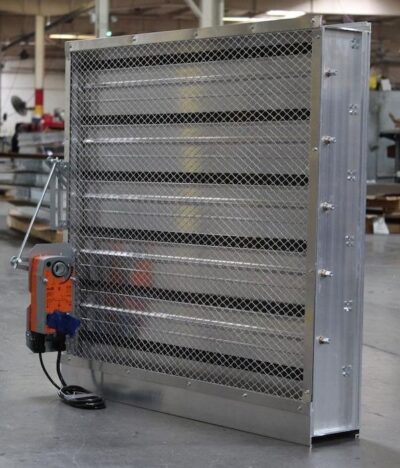
Ideal for applications such as manufacturing facilities, warehouses, and distribution centers, the CEL-D-6, along with our other combination louver/damper models, provide ventilation while also protecting against water intrusion.
High-performance 4" deep, drainable, combination louver/damper with 46% free area
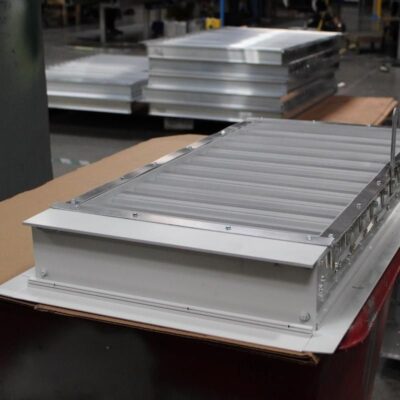
Typical applications include building exterior air intakes and exhausts, where airflow needs to be both regulated and protected from the environment, and rooftop units where you want to control outside air but also need to shield the interior from rain or snow.
Best in Class: Free Area %, Beginning Point of Water Penetration, and Pressure Drop
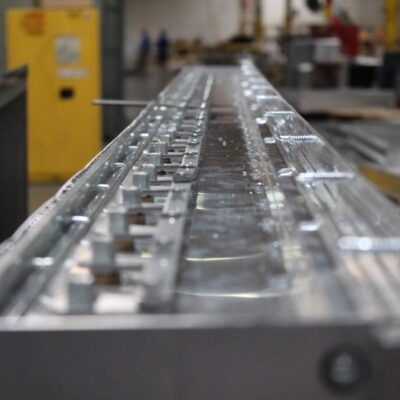
The CFL-D-6 is a 6" deep drainable combination louver/damper. It is licensed to bear the AMCA seal, which applies to Air Performance and Water Penetration ratings.
May 5, 2026