


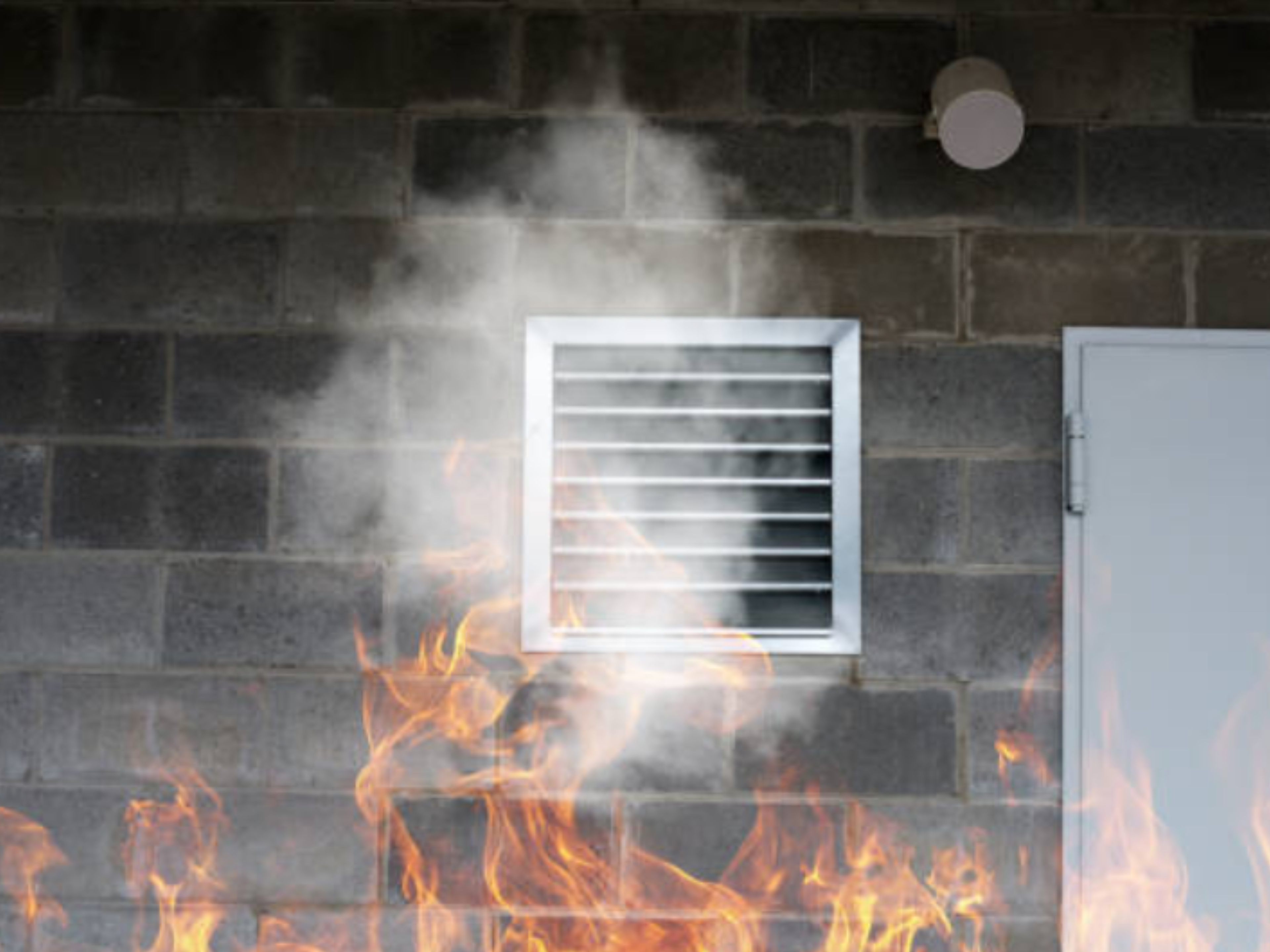
UL 555 Explained: Fire Damper Testing, Classification, And Code Integration
Fire-rated barriers tend to fail first at wall penetrations. When ducts pass through rated walls and floors, each opening becomes a point that must close automatically during a fire if compartmentation is going to hold. In that context, UL 555 defines how fire dampers are tested, and classified so they perform predictably under real fire conditions.
What UL 555 Governs In HVAC Fire Protection
At its core, UL 555 is the UL Standard for Safety that applies to fire dampers installed in HVAC duct systems and air-transfer openings. It establishes how a damper must react under elevated temperature, how long it must withstand direct fire exposure, how it must resist hose-stream impact, and how reliably it must close when activated.
The standard is focused on preserving compartmentation rather than extinguishing a fire or removing smoke, so the damper’s job is to maintain the integrity of a rated wall or floor during a fire event.
How Fire And Hose-Stream Testing Establishes Performance
Fire exposure testing subjects a complete damper assembly to a furnace environment that follows a standardized time–temperature curve.
- Temperatures rise to fully developed fire conditions, and the damper must remain closed for the entire test period.
- Ratings such as 1½ hours or 3 hours correspond to how long the assembly maintains structural integrity against flame and radiant heat.
After furnace exposure, the same assembly is hit with a hose stream to simulate dynamic forces that happen during a fire event, which exposes weak attachments, distorted frames, or blade seats that would otherwise open pathways for fire spread.
Dynamic Fire Damper Testing Under Live Airflow
Standard fire and hose-stream tests describe how a damper performs once airflow has stopped. Many modern HVAC systems remain active during specific fire scenarios to maintain pressure control and support smoke-management strategies.
Dynamic evaluations under the standard measure closure performance under defined air velocities and pressures so the damper can still close cleanly against moving air without blade binding, frame distortion, or leakage paths that would compromise the surrounding barrier.
How UL 555 Connects To Controls And Alarm Sequences
The static versus dynamic distinction is not a laboratory detail but a direct consequence of how the HVAC system is sequenced under alarm conditions. If the control sequence calls for immediate fan shutdown, a static fire damper may be appropriate at that penetration. If airflow is maintained for smoke control, pressure zoning, or staged shutdown, a dynamic fire damper is required, and designers must coordinate UL 555 classifications with mechanical controls, smoke-control analysis, and fire-alarm logic.
Coordination With Building Codes And NFPA 90A
Because fire dampers protect rated construction, this fire-damper standard interacts with model building and mechanical codes as well as NFPA 90A. Codes determine where dampers are required at penetrations in fire-rated walls, shafts, and certain floor assemblies, while NFPA 90A governs how duct systems are installed so they will not contribute to fire spread.
Installation Conditions That Preserve The UL Listing
Listings assume specific mounting configurations, sleeve arrangements, retaining angles, and frame attachments, and those tested conditions must be reproduced in the field for the rating to remain valid. Deviations such as undersized sleeves, incompatible wall materials, or improper anchorage can compromise performance even when the correct damper model is selected, which is why damper details receive close scrutiny in submittals and during inspection.
How UL 555 Relates To Smoke Dampers And Combination Units
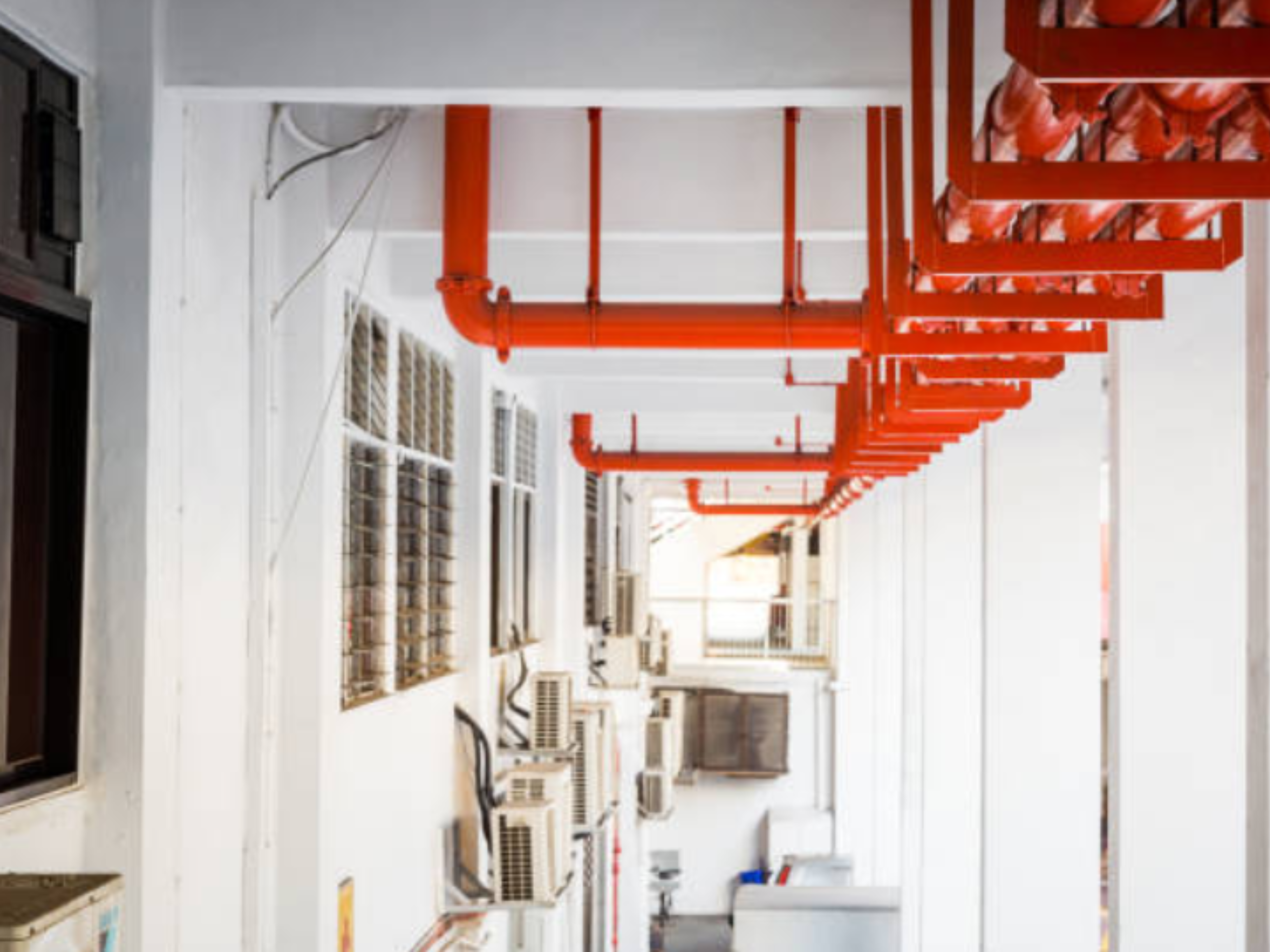
While installation preserves fire-resistance performance, many barrier systems also require smoke control. Fire dampers fall under UL 555, while smoke dampers and combination fire-smoke dampers are evaluated under the closely related smoke standard often written as UL555s.
- Fire dampers respond to temperature and are intended to resist flame and heat transmission through ducts
- Smoke dampers respond to smoke detection and limit smoke movement between compartments
- Combination units are specified where both attributes are required at the same opening
Specification, Submittals, And Inspection Control Points
Predictable performance depends on both the damper itself and its release mechanism. Temperature-responsive elements such as fusible links must activate within defined thresholds so the blades close early in the fire growth curve, while alignment, seat compression, and frame stability support a reliable seal. In project documents, listing classifications appear in damper schedules, data sheets, and submittal packages, giving engineers, contractors, and inspectors a shared reference for ratings, static or dynamic status, allowable velocities and pressures, and approved mounting conditions.
Inspection, Maintenance, And Long-Term Reliability
Long-term reliability depends on regular inspection and maintenance. Fire dampers operate infrequently, but when they are called upon, they must close without hesitation. Corrosion, construction debris, accidental damage, or poor access can all prevent full blade closure over time, which makes periodic inspection the only reliable way to confirm free blade movement, proper release function, and safe access for verification.
How United Enertech Fire Dampers Align With UL 555
Within this compliance chain, manufacturers provide more than catalog hardware. United Enertech manufactures fire and combination dampers tested and listed in accordance with the standard and, where required, evaluated to UL555s. Their product lines are designed to align with:
- common fire-resistance ratings,
- pressure classes, and
- mounting conditions
used in commercial and industrial HVAC systems so project teams can match dampers to real duct pressures, barrier requirements, and control strategies.
Why UL 555 Remains Central To Fire-Safe HVAC Design
At the building-system level, UL 555 operates quietly in the background of mechanical design by governing decisions at every fire-rated penetration that carries ductwork. Fire dampers are among the few mechanical components expected to perform structurally under fire exposure rather than under normal operating conditions, so the standard gives designers, contractors, and inspectors a common performance baseline. That’s the hinge point for life-safety coordination.
When project teams apply it correctly, they gain predictable behavior from each damper, more reliable compartmentation, and a clearer path to documenting code compliance in complex HVAC and life-safety systems.
Coordinate Fire Damper Selection With United Enertech
United Enertech manufactures fire and combination dampers engineered for demanding HVAC and fire-rated assemblies. Our technical team supports engineers and contractors with damper selection, submittal documentation, and application guidance on projects that combine fire protection with airflow and pressure requirements. Contact us today for more info.